07 October 2026
Finding the Right Fit: Why Small-Scale Assisted Living Matters in St. Louis
Presented by @qy2ikf9uxg
When my mother first needed help with daily tasks, I felt like I was drowning in options. Large retirement complexes with glossy brochures. National chains with standardized menus. And then there were the smaller places, the ones that felt more like homes than institutions. That is when I first heard about places like Joe's Place Caring Cottage, a name that kept coming up in conversations with other families who had already done the hard work of searching. The difference was in the details. Not just the number of beds or the price tag, but the way the staff talked about the people they cared for.
St. Louis and the surrounding areas in Missouri have a wide range of senior housing choices. But for families who are trying to find a good fit for a loved one with dementia or someone who just needs a little extra help, the sheer volume of listings can be overwhelming. A local directory that prioritizes transparency and highlights small-scale, family-focused care options becomes more than a convenience. It becomes a lifeline. Understanding what to look for in these settings, and why cottage-style homes often offer something that larger facilities cannot, is the first step toward making a confident decision.
The Case for Cottage-Style Homes
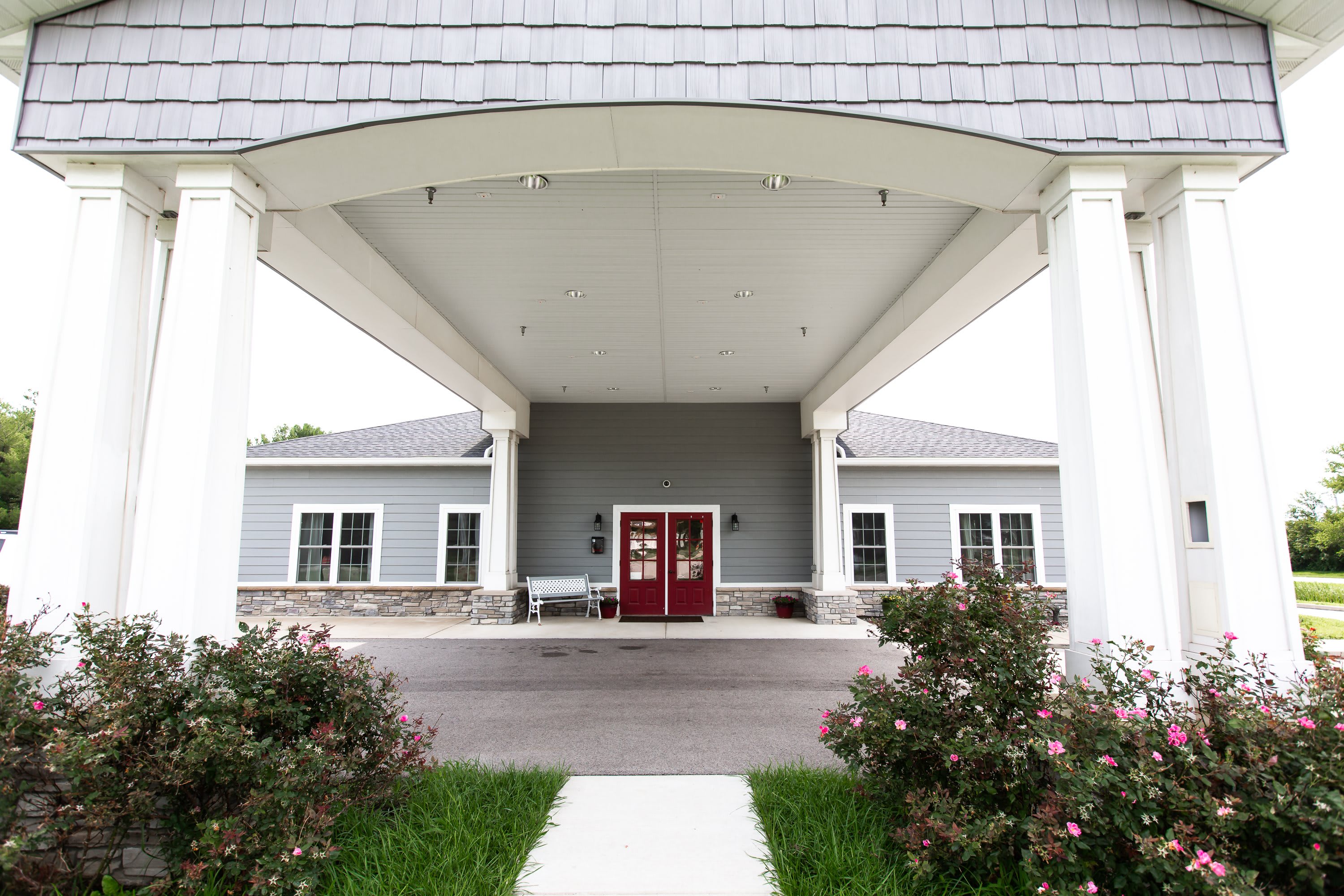
There is a reason why the idea of a cottage feels comforting. It evokes a sense of warmth, privacy, and personal space. In the context of assisted living and memory care, cottage-style homes are designed to mimic a residential environment rather than a clinical one. These are typically small-scale facilities, often housing fewer than a dozen residents. The staff know everyone by name. Meals are cooked in an open kitchen. The living room has a couch, not a row of plastic chairs.
For a person living with dementia, this familiar layout can reduce anxiety and agitation. The National Institute on Aging has published research showing that smaller, more homelike environments can improve mood and social interaction among residents. When a facility is designed around the person rather than the system, it supports the principles of person-centered care. That means care plans are built around the individual's history, preferences, and routines, not the other way around.

Joe's Place Caring Cottage is one example of this model in practice, though it is far from the only one in the St. Louis metro area. The key is that places like this operate with a different philosophy. They are not trying to maximize occupancy. They are trying to create a community. The result is often better outcomes for residents and less stress for families.
Transparency as a Foundation
One of the hardest parts of choosing an assisted living or memory care facility is getting straight answers. Some places are upfront about their staffing ratios, their inspection records, and their pricing. Others are not. The concept of transparency in senior housing means that families should be able to see the full picture before they sign anything. It means the facility is willing to share its state survey results, its complaint history, and its staff turnover rates without being asked three times.
A local directory that focuses on transparency can help families compare these details side by side. Instead of calling ten different places and trying to remember who said what, you can look at a clear summary. You can see which homes offer respite care, which ones accept Medicare, and which ones have a dedicated memory care wing. You can also see how a facility handles the transition from assisted living to skilled nursing, which is a common concern as a loved one's needs change over time.
This kind of openness builds trust. It also forces facilities to be honest with themselves. When you know your information is going to be listed publicly, you are more likely to keep your promises. The best small-scale facilities welcome this scrutiny because they know their care speaks for itself.
What to Look for in Memory Care
Memory care is not just assisted living with a locked door. It is a specialized form of care that requires specific training, a different physical environment, and a deep understanding of how dementia affects behavior and communication. The Alzheimer's Association offers guidelines for what good memory care looks like, and many of those guidelines align with the cottage-style model.
Look for a facility that has a structured but flexible daily routine. Residents with memory loss thrive on predictability, but they also need opportunities for choice. A good memory care program will offer activities that are meaningful, like gardening, music, or simple cooking tasks. The staff should be trained in de-escalation techniques and should understand that challenging behaviors are often a form of communication.
Families often ask me whether they should consider a facility that offers both assisted living and memory care on the same campus. There are trade-offs. A combined campus can make it easier for a couple to stay together if one spouse needs more care than the other. But a dedicated memory care unit within a small-scale home can feel more secure and less overwhelming than a large facility with multiple levels of care. The right choice depends on the individual. This is where organizations like the Caregiver Action Network and the Elder Care Locator can provide support and guidance, helping you ask the right questions before you visit.
Practical Steps for Families
If you are starting the search for a family-focused care option in St. Louis or anywhere in Missouri, here are a few practical steps that can make the process less daunting:
- Start with a local directory that emphasizes transparency. Look for listings that include inspection reports, staffing ratios, and resident reviews. A directory like the one featuring Joe's Place Caring Cottage is a good example of what to seek out.
- Visit at least three facilities before making a decision. Go during mealtime. Watch how staff interact with residents. Trust your gut if something feels off.
- Ask about staff turnover. High turnover is a red flag. Consistent staffing means residents form real relationships, which is especially important for people with dementia.
- Understand the payment options. Some facilities accept Medicare for skilled nursing but not for assisted living. Others offer a flat monthly rate. Get everything in writing.
- Consider the location. You want to be able to visit often without it feeling like a long drive. A convenient location makes it easier to stay involved in your loved one's care.
These steps are simple, but they take time and energy. Do not be afraid to lean on resources like the National Institute on Aging or the Alzheimer's Association for checklists and question lists. They have been helping families navigate these decisions for years.
The Value of Aging in Place
The phrase "aging in place" usually refers to staying in your own home as you get older. But for many families, that is not realistic. The home may have stairs. The neighborhood may be isolated. The person may need more supervision than family members can provide. In those cases, the next best thing is finding a care home that feels like a home. That is where cottage-style homes shine. They offer a way to age in place within a community, even if that community is not your original house.

Joe's Place Caring Cottage embodies this idea by keeping the scale small and the focus on the individual. Residents are not just room numbers. They are people with histories, preferences, and personalities. The staff know that Mrs. Smith likes her coffee at 7 a.m. and that Mr. Jones needs help remembering to take his medication. This level of attention is hard to achieve in a large institution, but it comes naturally in a setting where the caregiver to resident ratio is low and the environment is designed for connection.
Ultimately, the decision comes down to what kind of life you want for your loved one. Safety is non-negotiable. But so is dignity. A facility that offers both, with transparency and a family-centered approach, is worth the effort to find. And having a reliable local directory to guide that search makes all the difference.